
How Much Electricity Does Heat Pump Use
how much electricity does heat pump use: practical planning steps, dates, and local comparison points you can act on.
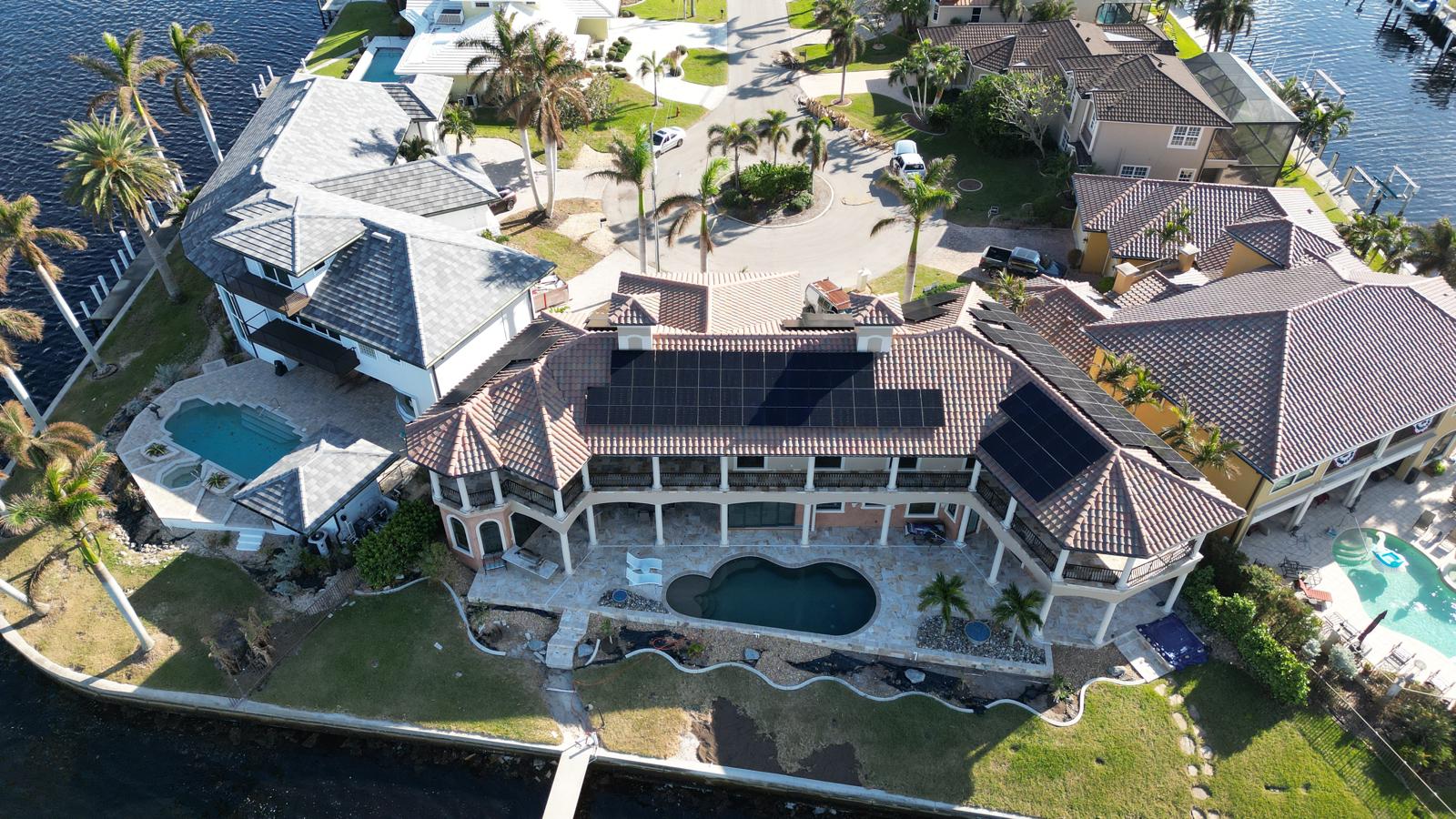
S7 Solar Team
Quick Answer: how much electricity does heat pump use depends on the climate, how long it runs, whether the home has duct losses, and whether backup heat strips kick on. In mild weather, a heat pump may sip power like it’s paying the bill itself; in colder weather or during long runtime, usage climbs. For a solid estimate, look at a home-specific kWh calculation rather than a generic number from the internet.
Why heat pump power use varies so much
A heat pump does not make heat the way an electric resistance furnace does. It moves heat from one place to another, which is why it can use far less electricity than straight electric heat. The U.S. Department of Energy says a typical heat pump can cut heating electricity use by up to 75% compared with electric resistance systems, and ENERGY STAR says a heat pump can deliver up to three times more heat energy than the electrical energy it consumes.
That sounds great, but real-world usage still swings a lot. A unit that works lightly on a mild Florida evening may run much longer during a cold snap. Defrost cycles, thermostat settings, leaky ductwork, and backup electric resistance strips can all bump up kWh use. So when someone asks about how much electricity does heat pump use, the honest answer is: it depends on how the home is set up and how hard the system has to work.
The numbers that matter for solar planning
For solar design, the most useful number is not just “tons,” SEER, or HSPF on the nameplate. Those specs help describe the equipment, but they do not tell you the full monthly kWh pattern. Solar planning works better when you estimate actual annual heat-pump kWh based on runtime, efficiency, and local weather.
A simple way to think about it: - More heating or cooling hours = more electricity use - Lower outdoor temperatures = longer runtime in heating mode - Dirty filters, duct leaks, or poor insulation = more kWh - Backup strips = a big jump in consumption when they engage
The DOE’s energy-use calculations for representative units are based on defined heating and cooling hours, which is a nice reminder that heat pump electricity use is tied to climate and runtime, not just the label on the cabinet.
What changes the bill the most
Climate and season
Comparison baseline
The same home can react very differently depending on what it had before. If a family switches from gas heat to a heat pump, winter electric use may rise because gas was doing some of the work before. If that same home switched from electric resistance heat, the bill often drops a lot. That’s why the baseline matters more than the sales pitch.
Backup heat
If the system has electric resistance backup strips, those strips can chew through power fast during cold weather or a defrost cycle. They are the “just in case” mode, and they are not shy about the electric bill.
Ducted vs. ductless
Ducted systems can lose energy through ducts in hot attics or crawl spaces. Ductless mini-splits usually avoid those losses, though the answer still depends on sizing, layout, and how the home is used.
A practical way to estimate kWh
A home-specific estimate is more useful than a one-size-fits-all guess. Start with annual heating and cooling runtime, then factor in efficiency and any backup heat. If you already have utility bills from the same home, that’s even better. Compare usage before and after the heat pump change, then adjust for weather and occupancy.
Here is a simple customer conversation rule of thumb: - Switching from electric resistance heat: expect a drop in winter electric use - Switching from gas heat: expect higher electric use in winter, but lower gas use too - In Florida: cooling usually matters more than heating over the year
For solar planning, add a little margin for winter peaks so the array has room for those colder mornings when the heat pump runs longer than expected.
Florida homes and solar pairing
Florida homes are a strong fit for solar because cooling loads often match solar production hours. A heat pump can be part of that story, especially in homes with decent insulation, good attic sealing, and reasonable thermostat habits.
Still, two homes on the same street can have very different kWh use. One might have a tight envelope and a right-sized system. The other might have duct losses, old windows, and a thermostat set like the house is auditioning for the North Pole. That is why a site visit and load review matter.
If you want a broader solar read on household usage, this local guide can help: solar panel inspection near me. For nearby homeowners, see our service page for North Port solar installation and our related post on how often should solar panels be cleaned in Florida.
Reader Poll
Where are you in your planning process?
Final Thoughts
If you are trying to figure out how much electricity does heat pump use, the real answer comes from the home, not a generic chart. Heat pumps can use very little power in mild weather, but usage can rise with long runtimes, defrost cycles, duct losses, and backup electric strips. In Florida, cooling often drives most of the annual kWh, which makes solar a smart match for many homes. For sizing solar correctly, start with a home-specific kWh estimate and add room for winter peaks, because the bill likes surprises more than we do.
Ready to find out what solar saves you?
Get a free custom proposal , system size, projected savings, payback period, and financing options. No obligation, no pressure.
S7 Solar · Venice, FL · Licensed #CVC57136