Do Solar Panels Work When Covered with Snow
do solar panels work when covered with snow: practical planning steps, dates, and local comparison points you can act on.
S7 Solar Team
Quick Answer: Yes, do solar panels work when covered with snow? Sometimes, but only a little if the snow is light or partly covering the panels. If the modules are fully blanketed, output usually drops to near zero until the snow slides off or melts. The good news is that solar panels can still make power in cold, sunny weather, and snow is usually more of a blocking problem than a damage problem.
Why Snow Cuts Power So Much
Solar panels need sunlight, plain and simple. Snow on the glass acts like a blanket, and that blanket is not paying rent. Even a nice bright winter day will not help much if the panel surface is hidden.
When snow is only covering part of the array, some production can still happen. A light dusting may clear faster on a tilted roof, especially if the panels have a smooth glass surface and the sun warms them a bit. Steeper panel angles help snow slide off more quickly, which is why some systems shed snow better than others.
Cold Weather vs. Snow Cover
Cold air itself is not the issue. In fact, solar panels often perform well on cold, sunny days because the modules can run more efficiently at lower temperatures. The real trouble starts when snow blocks the light.
So if you are asking do solar panels work when covered with snow, the practical answer is yes in theory, but not much if they are fully buried. A panel can be perfectly fine and still make little or no power simply because it cannot see the sun.
What Happens With Partial Snow
Partial cover can give partial output. If one corner is clear or if the lower edge is exposed, the system may still produce some electricity. It will not be a thrilling amount, but it is not always an all-or-nothing situation.
This is one reason panel layout and roof pitch matter. A steeper array tends to clear faster, while a flatter setup may hold snow longer. Gravity does not take a day off.
What This Means for Florida Homes
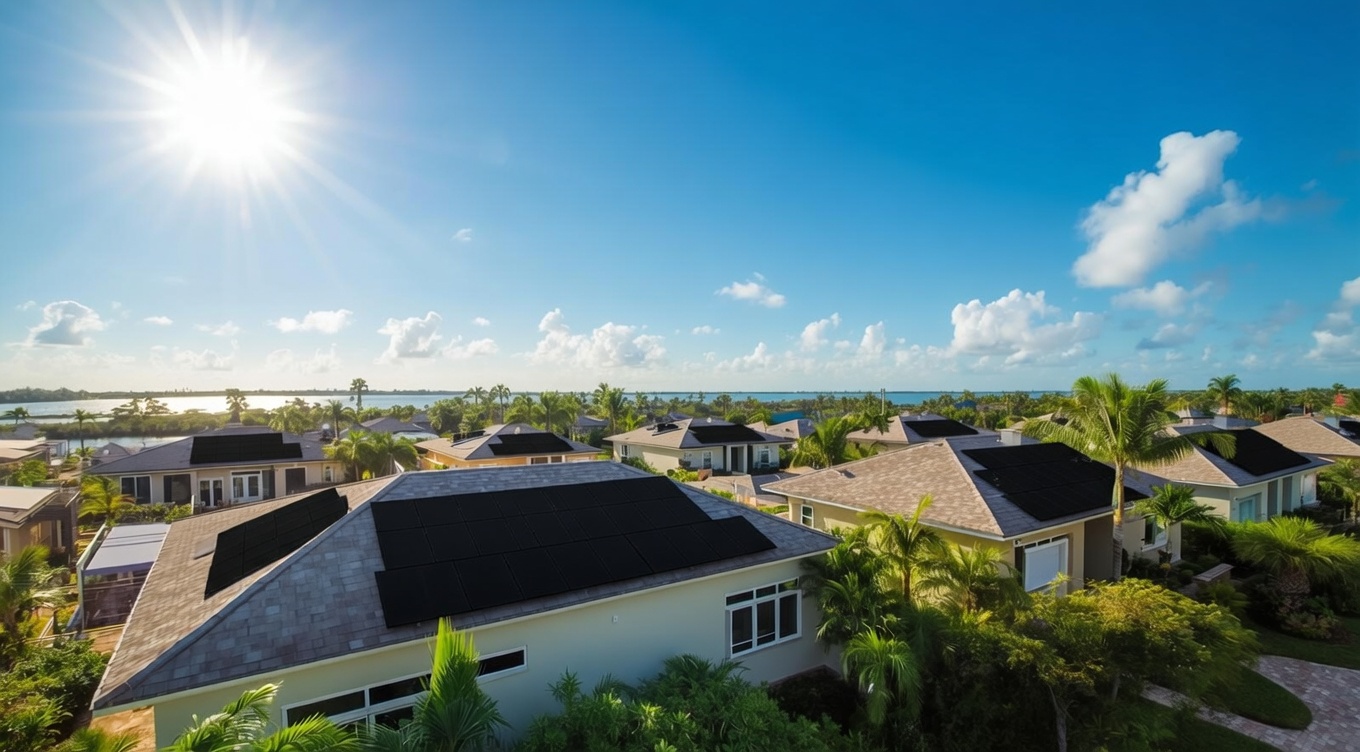
For most Florida homeowners, snow is a minor edge case rather than a major design concern. In places like Sarasota and most of the state, solar planning usually focuses more on heat, wind, and hurricane-season roofing conditions than on snow removal.
If you are looking at a local system, the bigger questions are usually about roof condition, storm readiness, and how the equipment fits your home. If you want a local starting point, see our solar panel installation service page and our Sarasota area page here: /areas-served/sarasota.
For Florida-specific reading, this post on how often should solar panels be cleaned in Florida is a useful follow-up, especially if you are comparing dirt, pollen, salt air, and other things that like to sit on panels uninvited.
Snow, Maintenance, and Real-World Performance
Snow can also clear faster than people expect. Sunlight, roof angle, and a bit of warmth from the module can loosen it. In many cases, a light snowfall on a tilted array will slide off without anyone needing to do much at all.
That said, it is usually not wise to climb up and scrape panels by hand. Solar modules are built to handle weather, but they should still be treated with care. If snow or ice is a serious issue where you live, it is smart to talk with a qualified installer about panel angle, racking, and winter production expectations.
For homeowners with extra winter needs, some systems are paired with other electric loads or backup planning. If you are thinking about a solar setup that also supports warm-water comfort, this pool heater repair sarasota option may be worth a look.
Should Snow Change Your Solar Plans?
Usually, no. For Florida customers, snow should not drive the whole buying decision. It matters more for rare north Florida cold snaps, for people who own property out of state, or for anyone wanting a fuller picture of seasonal performance.
The main idea is simple: solar panels can still work in winter sunlight, but snow cover blocks the light that makes power. If the snow is light, tilted panels may shed it fairly quickly. If the panels are fully covered, production will be low until the snow clears.
Reader Poll
Where are you in your planning process?
Final Thoughts
If you have ever wondered do solar panels work when covered with snow, the short version is yes, but only in limited ways when the snow is on the glass. Once the array is covered, sunlight cannot reach the cells well enough to make useful power.
For Florida homes, this is mostly a side note. The more important planning factors are roof direction, shade, heat, wind rating, and how the system fits your home and energy use. Snow may show up in a conversation now and then, but in Florida it is usually not the headline act.
Ready to find out what solar saves you?
Get a free custom proposal , system size, projected savings, payback period, and financing options. No obligation, no pressure.
S7 Solar · Venice, FL · Licensed #CVC57136