
What Color are Solar Panels
what color are solar panels: practical planning steps, dates, and local comparison points you can act on.
S7 Solar Team
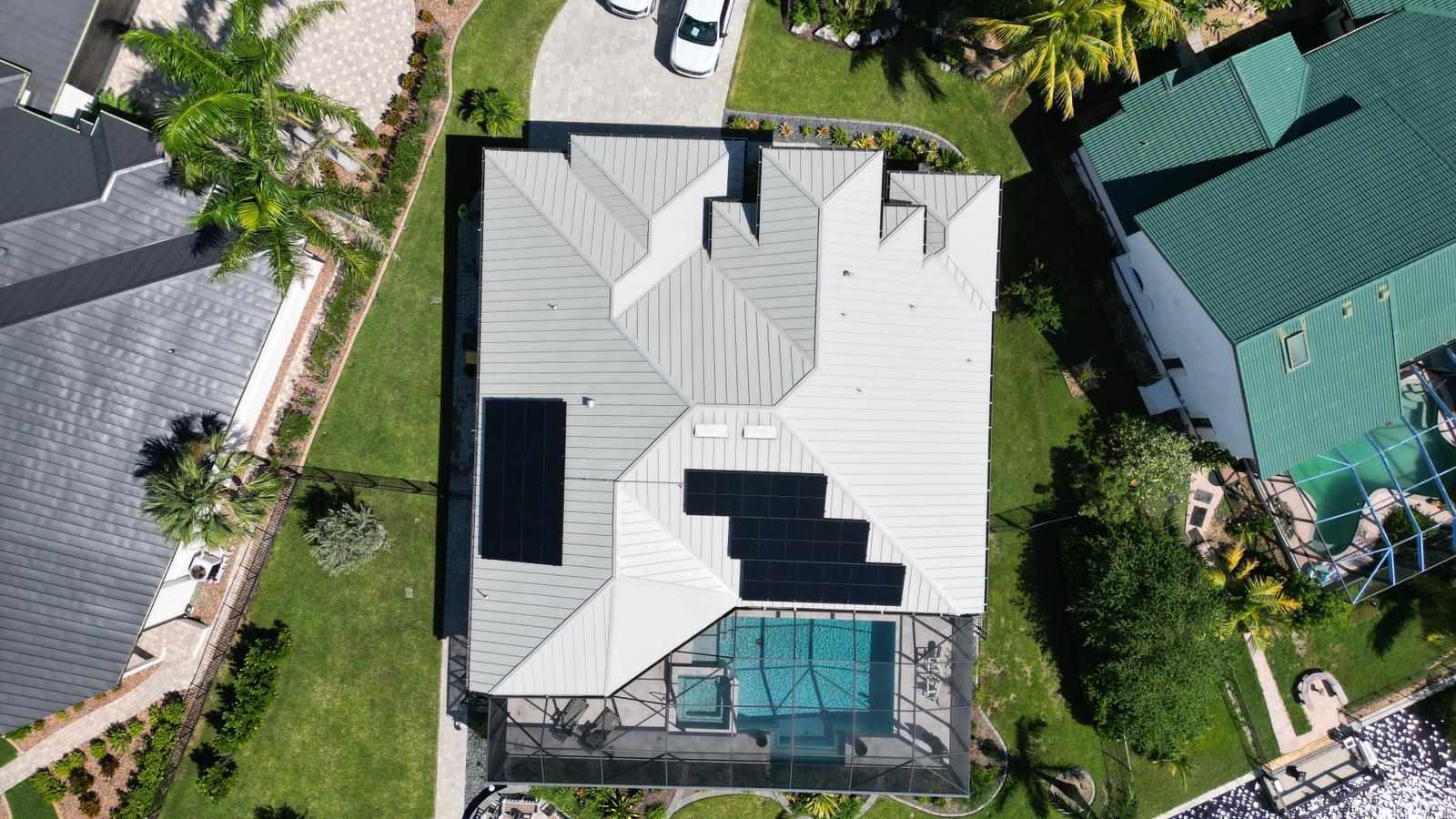
Quick Answer: what color are solar panels? Most are black or dark blue, with black panels usually coming from monocrystalline cells and blue panels more common with polycrystalline cells. The color is mostly about appearance, while the real buying factors are efficiency, wattage, roof fit, warranty, and a code-compliant installation that can handle Florida weather without drama.
The usual colors you’ll see
Solar panels are rarely bright or flashy. Most look like they were designed by someone who wanted them to quietly do their job and stay out of the way. In practical terms, the most common colors are:
- Black: often seen with monocrystalline panels
- Dark blue: often seen with polycrystalline panels
- All-black: popular on residential roofs because it looks cleaner and more uniform
Monocrystalline panels are typically darker and more uniform in appearance. Polycrystalline panels usually have a blue tone and a slightly mottled look. So if you are standing in the yard wondering why one panel looks like a sleek black rectangle and another looks a bit bluer, that is usually why.
Why panel color varies
A solar panel’s appearance is not just about the cells. You may also notice:
- Frame color: often silver or black
- Backsheet color: commonly white, silver, or black
- Cell layout: can change how the panel looks from the street
That means two panels with similar output can still look very different on the same roof. This matters a lot on visible Florida homes where curb appeal counts. Many homeowners want panels that blend in rather than shout, “Hello, I’m the power plant on the roof.”
Color and performance: what matters more
When people ask what color are solar panels, they often wonder if color changes how well the system works. The short answer is that color is mostly an appearance choice. Performance depends far more on:
- Panel efficiency
- Wattage
- Available roof space
- Shading conditions
- System design
- Product quality and warranty coverage
A black panel is not automatically better than a blue one just because it looks fancier on the roof. A well-designed system with the right equipment for your home will usually matter more than the shade of the cells.
For Florida homeowners, that means the conversation should stay focused on whether the array fits your roof, matches your energy goals, and meets local building and wind-load requirements. Color can matter, but it should not run the whole show.
What Florida homeowners usually care about
In Florida, solar buyers often think about appearance and heat, especially because roofs get a lot of sun and panels are visible from the street. That said, the smart order of operations is still:
- Product certification
- Warranty terms
- Roof-code and wind-load compliance
- Installer design
- Aesthetics
If a panel looks great but does not fit the roof well or match local code requirements, it is not the right choice. A good solar plan should account for your roof type, mounting method, and how the system will hold up during storm season.
If you want to see how this fits into a local project, take a look at our solar power florida service page.
Black panels, blue panels, and the curb appeal factor
Most homeowners prefer all-black modules on visible roofs because they tend to look more uniform. The dark frame and backsheet can make the array feel less noticeable from the street. That is one reason all-black systems are common on newer residential installs.
Blue panels can still be a solid choice, but they are usually more noticeable. Some homeowners do not mind that at all. Others want the roof to look cleaner and more consistent, especially on homes with lighter roofing materials or prominent front-facing roof sections.
In short: if appearance matters to you, the color decision is really about how the panels look with your roof and home style, not about whether one color has secret solar superpowers.
Special case: bifacial panels
Bifacial panels can look different from standard residential modules. They may use transparent backsheets or other materials that change how they appear. They do not always have the typical opaque black-or-blue look people expect.
These panels are often chosen for specific design goals, not because they are prettier or less pretty than standard panels. As with any equipment choice, the right answer depends on the roof, layout, and system plan.
A note on roof fit and local planning
For homes in places like North Port and other parts of Florida, roof fit matters just as much as panel appearance. A system that fits cleanly can look better and work better. If you are planning a project in the area, our local page for North Port solar installation may be helpful.
Also, if you are wondering how often panels need cleaning in Florida, that topic matters more than many people think because pollen, dust, and coastal debris can affect output. We covered that in this related post: /blog/how-often-should-solar-panels-be-cleaned-in-florida.
For related upkeep guidance, see our Florida solar panel cleaning guide.
Reader Poll
Where are you in your planning process?
Final Thoughts
So, what color are solar panels? Usually black or blue, with black often tied to monocrystalline panels and blue often tied to polycrystalline panels. For most Florida homeowners, the color is mainly a style choice. The bigger decisions are efficiency, warranty, roof compatibility, and a properly designed install that meets code and fits your home well.
Ready to find out what solar saves you?
Get a free custom proposal , system size, projected savings, payback period, and financing options. No obligation, no pressure.
S7 Solar · Venice, FL · Licensed #CVC57136