
What Is an EMP Shield? How to Protect a Generator and Solar System
An EMP Shield is a protective device intended to help reduce specified electromagnetic-pulse or transient threats reaching connected electrical equipment. Its usefulness depends on the exact model, installation, grounding and bonding, conductor paths, equipment compatibility, and the event being considered. It does not create power, replace a generator or battery, or guarantee that every device will be unaffected by every event.
S7 Solar Team
What is an EMP Shield?
An EMP Shield is designed to help protect electrical equipment from a defined class of fast electrical or electromagnetic disturbances. Homeowners may ask about these devices when they are planning a standby generator, solar panels, battery storage, a transfer switch, or a broader home electrical-protection strategy.
The name alone does not tell you what a device covers. A useful review identifies the exact manufacturer and model, the published performance information, the equipment and circuits in scope, the connection points, the grounding and bonding approach, and the installation requirements. A proposal should also explain the limits. Protection equipment should not be described as a guarantee that a home, generator, solar system, or every appliance will be immune to damage.
EMP, CME, lightning, and power surges are different events
People often use EMP as a shorthand for several different electrical risks. The terms describe different causes and paths:
- An electromagnetic pulse can involve a rapid electromagnetic disturbance that couples into conductors and equipment.
- A coronal mass ejection, or CME, is a solar event that can disturb the earth's magnetic environment and affect long conductors and grid infrastructure in ways that are not identical to a localized surge.
- Lightning produces an extremely energetic, nearby or direct event with multiple possible paths through a property.
- A utility switching surge or fault can travel through the service and connected conductors during normal grid operation or restoration.
These events do not have the same waveform, duration, energy, coupling path, or equipment effect. A device evaluated for one type of disturbance should not automatically be marketed as universal protection from all of them. Ask for the manufacturer documentation and have the proposed installation reviewed against the equipment and event you are actually planning for.
How to protect a generator from an EMP
A standby generator contains controls, sensors, a voltage regulator, transfer equipment, wiring, and other electronics that may be important to its operation. A generator-protection assessment should therefore look beyond the engine enclosure.
The review may include:
- Generator manufacturer and model information
- Automatic transfer switch and control equipment
- Main electrical panel, service rating, and connected conductors
- Grounding and bonding configuration
- Fuel, placement, clearances, and weather exposure
- Solar inverter, battery, monitoring, or other connected equipment
- Existing whole-house surge-protection equipment
- The permits, inspections, and licensed electrical work that apply
A correctly selected protection device may help reduce specified electrical threats reaching covered generator electronics. It does not make the generator self-sufficient. The generator still needs an approved fuel supply, correct load sizing, automatic-transfer equipment, routine exercise, maintenance, and a safe electrical design. It also does not guarantee that the generator will start, run, or carry every load after every possible event.
How to protect solar panels, inverters, and batteries
Solar panels are only one part of a photovoltaic system. The inverter, rapid-shutdown equipment, DC and AC wiring, disconnects, monitoring devices, battery controls, and service-panel connection can all affect a protection plan.
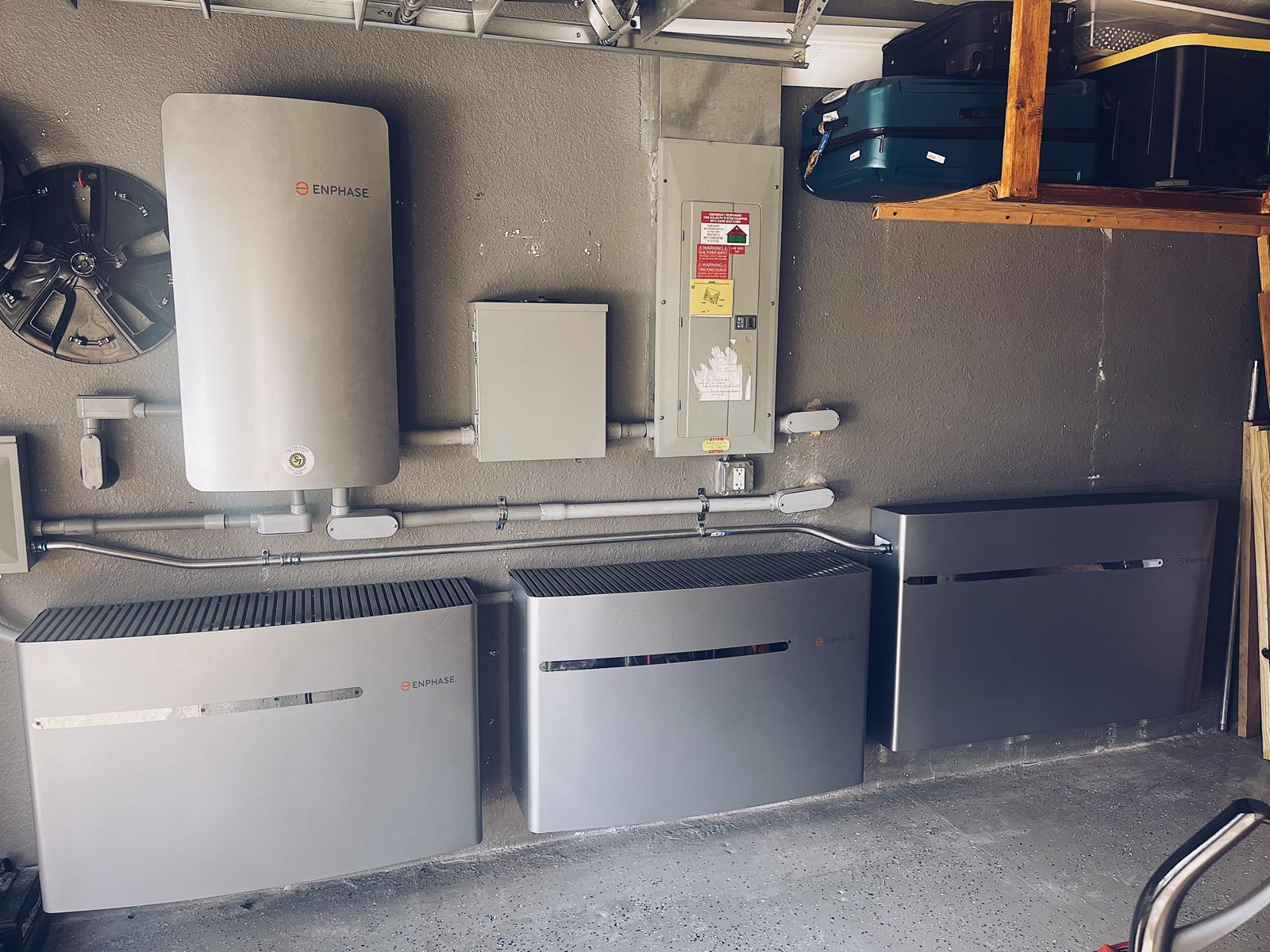
Homeowners planning solar and battery systems should ask which equipment is being assessed and how the proposed protection connects to it. A battery system may have separate manufacturer requirements for location, disconnects, communications, grounding, and service access. A device that is compatible with one inverter or battery platform may not be approved for another.
The same principle applies to an existing system. Before adding equipment, collect the inverter and battery model numbers, installation records, one-line diagram if available, monitoring screenshots, panel photos, and any prior inspection or repair information. These records help an installer separate a protection question from a pre-existing performance or wiring problem.
What professional installation should include
Professional EMP or surge-protection installation is an electrical project, not simply a device purchase. The written scope should identify:
- The equipment, circuits, and service paths being assessed
- The exact product and model proposed, including current documentation
- Installation location, enclosure, access, and environmental conditions
- Grounding, bonding, conductor routing, and disconnect responsibilities
- Electrical permits, inspections, and any other regulated trade work
- Commissioning checks and the owner handoff
- Warranty terms, maintenance expectations, and exclusions
The exact product, manufacturer authorization, and warranty should be confirmed before a contractor represents a specific brand as an installed service. If the product or documentation changes, the proposal should be updated rather than relying on a permanent marketing claim.
Can an EMP Shield keep a generator running?
No protection device can create fuel, electricity, or mechanical capacity. It may help protect covered connected electronics from specified events, but the generator still depends on fuel, working controls, an approved transfer system, proper maintenance, and a load plan.
The same limitation applies to solar and batteries. Protection may support equipment resilience, but it does not recharge a battery, make a grid-tied inverter operate during an outage without compatible isolation equipment, or guarantee uninterrupted power. Homeowners should keep the protection scope separate from the backup-power scope so each system has a clear job.
Battery backup vs generator vs EMP protection
These options address different needs:
| Option | Primary job | Main limitation |
|---|---|---|
| Battery backup | Supplies approved circuits from stored energy during an outage | Runtime and large-load support depend on usable capacity, inverter output, connected loads, and recharging |
| Home generator | Produces electricity while approved fuel and maintained equipment are available | Requires fuel, exhaust and clearances, transfer equipment, maintenance, and correct load sizing |
| EMP or surge protection | Helps protect connected equipment from specified electrical events | Does not supply power or guarantee immunity from every event |
Many homeowners compare these choices as though one replaces the others. In practice, a property may use a battery for quiet short-duration backup, a generator for longer operation, and equipment protection for specified electrical threats. The right combination depends on the home, equipment, outage goals, budget, space, and documentation available.
When should a homeowner request an assessment?
Request an equipment-protection assessment before purchasing a device or adding it to a generator, solar, or battery project. Send the property address, equipment model numbers, electrical-panel photos, transfer-switch information, existing surge protection, and the event or risk you are planning for.
S7 Solar coordinates qualifying equipment-protection assessments in Southwest Florida, including Venice, Sarasota, North Port, Port Charlotte, and Fort Myers. The process starts with compatibility and scope review. It then identifies the exact product, electrical responsibilities, permits, warranty terms, and limitations that should appear in the proposal. See the EMP Shield and electrical equipment-protection service or the home-generator planning service for the next step.
Frequently asked questions
Is an EMP Shield the same as a whole-house surge protector?
Not necessarily. The products may address overlapping but not identical threats, and their performance depends on the exact model and installation. Existing surge protection, grounding, service equipment, connected conductors, and manufacturer requirements should be reviewed together.
Can an EMP Shield protect the entire house?
Coverage depends on the service configuration, connection points, grounding and bonding, device design, and equipment included in the approved scope. A “whole-house” label should not replace a documented electrical assessment or be treated as a promise against every event.
Does EMP protection replace a generator or battery?
No. A generator produces electricity while fuel remains available, and a battery supplies selected loads from stored energy. EMP or surge protection has a separate equipment-protection purpose and does not provide backup power.
Can S7 Solar install a specific EMP Shield brand?
The exact product, model, manufacturer authorization, installation scope, and warranty terms are confirmed before approval. S7 Solar does not treat a brand name as a substitute for a compatibility and electrical assessment.
Reader Poll
What are you trying to protect?
Ready to find out what solar saves you?
Get a free custom proposal , system size, projected savings, payback period, and financing options. No obligation, no pressure.
S7 Solar · Venice, FL · Licensed #CVC57136